Mammalia |
Cetartiodactyla |
Physeteridae
البيئة: الوسط / المنطقة المناخية / نطاق العمق / نطاق التوزيع
البيئة
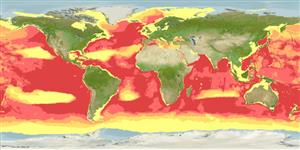
محيطي; محيطية (مرجع 75906); نطاق العمق 0 - 3200 m (مرجع 1005), usually 500 - 500 m (مرجع 75906). Tropical; 90°N - 90°S, 180°W - 180°E
Circumglobal.
الطول عند النضج الأول / الحجم / وزن / العمر
النضج: Lm ?, range 830 - 920 cm Max length : 2,400 cm TL ذكر/ مختلط الجنس; (مرجع 99323); 1200 cm TL (female); أعلا وزن تم نشرة: 57.0 t (مرجع 1394)
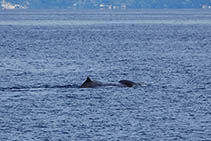
Largest sperm whale (Ref. 1394). Sperm whaling has a long history. The most intense periods were the Yankee whaling era of the 1800s and the factory ship whaling of the 20th century. Recent findings of studies on social behavior and breeding undermine assumptions in the models on which exploitation and management have long been based. Certain populations have been depleted, but the sperm whale remains the most abundant of all the great whales (Great whales generally include the sperm whale and all baleen whales, except the pygmy right whale) (Ref. 1394). Maximum size of female species based from Ref. 1394. Deep divers. Feeds on squids, octopuses (Ref. 1394), sharks, demersal rays, and bony fishes (Ref. 122680). Forms strong social bonds (Ref. 122680). Feeding strategy involves synchronized, individual hunting for non-schooling prey such as deep-sea squids (Ref. 130961).
دورة الحياة وسلوك التزاوج
النضج | التكاثر | وضع البيض | بيض | الخصوبة | اليرقات
Mature females live in socially cohesive groups of 10-30 individuals which include immature males and females and within is a communal suckling and caring of the young. Also, males leave the group at the age of 6 (Ref. 97765).
Jefferson, T.A., S. Leatherwood and M.A. Webber 1993 FAO species Identification Guide: Marine Mammals of the World. Rome, FAO. 320 p. + 587 figures. (مرجع 1394)
حالة القائمة الحمراء للاتحاد الدولي لحفظ الطبيعة والموارد الطبيعية
(مرجع 130435: Version 2025-2 (Global))
حالته حسب اتفاقية سايتس (مرجع 108899)
خطر للأنسان
استخدامات بشرية
مصائد: تجاري
FAO - مصائد: ملف الأنواع, landings search; Publication: search | FishSource | البحر حولنا
أدوات
مزيد من المعلومات
علم وظائف الأعضاءاستهلاك الأوكسجين
ذات الصلة بالبشرطوابع بريدية وعملات معدنية ومتنوعة
مصادر علي الأنترنت
تقديرات تستند إلى النماذج
المرونه
(Ref. 69278): |
منخفض, الحد الزمني الأدني لتضاعف عدد أفراد المجتمع 4.5-14 سنة (K=0.05-0.16; tm=10) |
ضعف الصيد
(مرجع 71543) |
Very high vulnerability (83 of 100). |
فئة السعر
(مرجع 80766): |
Unknown. |