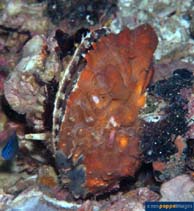
Bivalvia |
Ostreida |
Pinnidae
ສະພາບແວດລ້ອມ: ສະພາບແວດລ້ອມ / ເຂດດິນຟ້າອາກາດ / ລະດັບຄວາມເລິກ / ຂອບເຂດການແຈກຢາຍ
ນິເວດວິທະຍາ
Benthic; ລະດັບຄວາມເລິກ 0 - 50 m (ເອກະສານອ້າງອີງ 75831). Tropical
Indo-Pacific: from East Africa, including Madagascar, the Red Sea and the Persian Gulf, to eastern Polynesia; north to Japan and Hawaii, and south to Queensland and New Caledonia.
ຄວາມຍາວໃນການເຕີບໂຕເຕັມຄັ້ງທໍາອິດ / ຂະໜາດ / ນ້ຳໜັກ / ອາຍຸ
ການຈະເລີນເຕັມໄວ: Lm ? range ? - ? cm Max length : 48.0 cm SHL ຕົວຜູ້/ບໍ່ມີເພດ; (ເອກະສານອ້າງອີງ 348); common length : 30.0 cm SHL ຕົວຜູ້/ບໍ່ມີເພດ; (ເອກະສານອ້າງອີງ 348)
Shell reaching a very large size, thick and solid, inflated, variable in shape from triangular to hatchet-shaped or subglobular. Dorsal margin usually nearly straight, posterior margin broadly oval to somewhat truncate in outline. Ventral margin broadly convex posteriorly and concave near the umbones, often strongly lobate in medium-sized and large specimens. Outside of valves with 10 to 17 main radial ribs, often bearing scale-like spines, and with weaker interstitial riblets. Internal nacreous layer moderately strong, undivided, occupying the anterior half or 2/3 of valves. Hind margin of posterior adductor scar slightly protruding beyond the nacreous area (protrusion of adductor scar more developed in mature specimens). Colour: outside of shell dark reddish brown to nearly black, usually dull. Shell material semitranslucent, appearing a rich reddish purple when viewed with transmitted light. Interior dark brown to black, iridescent on nacreous area.
Because it attains a large size, this common species is probably one of the most economically important members of the family in the Indo-West Pacific. Beautiful but fragile black pearls are sometimes produced by the animal (Ref. 348). Intertidal to subtidal, on sand and mud (Ref. 75840).
ວົງຈອນຊີວິດ ແລະພຶດຕິກໍາການຫາຄູ່
ການຈະເລີນເຕັມໄວ | ການສືບພັນ | ການວາງໄຂ່ | ໄຂ່ | ຄວາມດົກຂອງໄຂ່ປາ | ຕົວອ່ອນ
Members of the class Bivalvia are mostly gonochoric, some are protandric hermaphrodites. Life cycle: Embryos develop into free-swimming trocophore larvae, succeeded by the bivalve veliger, resembling a miniature clam.
Poutiers, J.M. 1998 Bivalves. Acephala, Lamellibranchia, Pelecypoda. p. 123-362. In Carpenter, K. E. and V. H. Niem. 1998. FAO species identification guide for fishery purposes. The living marine resources of the Western Central Pacific. Volume 1. Seaweeds, corals, bivalves, and gastropods. Rome, FAO. (ເອກະສານອ້າງອີງ 348)
ສະຖານະພາບບັນຊີແດງຂອງ IUCN
(ເອກະສານອ້າງອີງ 130435: Version 2025-2 (Global))
ສະຖານະ CITES (ເອກະສານອ້າງອີງ 108899)
Not Evaluated
CMS (ເອກະສານອ້າງອີງ 116361)
Not Evaluated
ໄພຂົ່ມຂູ່ຕໍ່ມະນຸດ
Harmless
ການນໍາໃຊ້ຂອງມະນຸດ
ການປະມົງ: ເປັນສີນຄ້າ
FAO - Publication: search | FishSource |
ເຄື່ອງມື
ຂໍ້ມູນຕື່ມອີກ
ນິເວດວິທະຍາເຂດຮ້ອນລາຍການອາຫານ (ຜູ້ຖືກລ້າ)
ອົງປະກອບຂອງອາຫານ
ການບໍລິໂພກອາຫານ
ຜູ້ລ້າ
ນະໂຍບາຍດ້ານປະຊາກອນການເຕີບໃຫຍ່ສູງສຸດ. ອາຍຸ / ຂະຫນາດຄວາມຍາວ-ນ້ໍາຫນັກ rel.ຄວາມຍາວ - ຄວາມຍາວ rel.ຄວາມຖີ່ຄວາມຍາວການແປງມະຫາຊົນຄວາມອຸດົມສົມບູນ ວົງຈອນຊີວິດການສືບພັນການຈະເລີນເຕັມໄວຄວາມດົກຂອງໄຂ່ປາການວາງໄຂ່ໄຂ່ການພັດທະນາໄຂ່ຕົວອ່ອນ ຟີຊິກສາດການບໍລິໂພກອົກຊີເຈນ
ມະນຸດທີ່ກ່ຽວຂ້ອງສະແຕມ, ຫຼຽນ, ອື່ນໆ.
ແຫຼ່ງອີນເຕີເນັດ
ການຄາດຄະເນໂດຍອີງໃສ່ແບບຈໍາລອງ
ຄວາມສ່ຽງຕໍ່ການຫາປາ
(ເອກະສານອ້າງອີງ 71543) |
Moderate vulnerability (38 of 100). |
ປະເພດລາຄາ
(ເອກະສານອ້າງອີງ 80766): |
Unknown. |