Mammalia |
Cetartiodactyla |
Balaenopteridae
ສະພາບແວດລ້ອມ: ສະພາບແວດລ້ອມ / ເຂດດິນຟ້າອາກາດ / ລະດັບຄວາມເລິກ / ຂອບເຂດການແຈກຢາຍ
ນິເວດວິທະຍາ
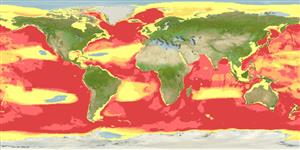
ກ່ຽວກັບ (ຢູ່) ໄກ້ໜ້ານ້ຳໃນທະເລເປີດ; ປາທີ່ມີການເຄື່ອນຍ້າຍໃນສະເພາະມາະຫາສະມຸດ (ເອກະສານອ້າງອີງ 75906); ລະດັບຄວາມເລິກ 80 - 500 m (ເອກະສານອ້າງອີງ 1005). Polar; 90°N - 90°S, 180°W - 180°E
North Atlantic and North Pacific: Balaenoptera musculus musculus.
North Atlantic [IUCN 2010 (Ref. 84930): VU, D1] and North Pacific [IUCN 2010 (Ref. 84930): LR/cd.
ຄວາມຍາວໃນການເຕີບໂຕເຕັມຄັ້ງທໍາອິດ / ຂະໜາດ / ນ້ຳໜັກ / ອາຍຸ
ການຈະເລີນເຕັມໄວ: Lm ? range ? - ? cm Max length : 3,300 cm TL ຕົວຜູ້/ບໍ່ມີເພດ; (ເອກະສານອ້າງອີງ 99323); ນ້ຳໜັກສູງສຸດທີ່ເຄຍຈັດພີມມາ: 160.0 t (ເອກະສານອ້າງອີງ 1394)
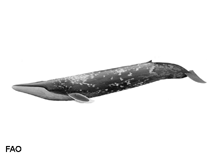
The largest whales of the world's oceans. They can be seen from the equator to the pack ice edges in both hemispheres, with most poleward intrusions in both hemispheres in summer. Some are resident, others are migratory. Feeds on krill (Ref. 1394). Feeds at depths less than 100 m (Ref. 1005). From the time faster catcher boats and explosive harpoons made them catchable, blue whales were hunted relentlessly from the late 19th through the mid 20th centuries. As the largest whales, they were the most sought after of the rorquals. Although most populations remain well below pre-exploitation levels, some stocks (such as those that feed off California) have shown encouraging signs of recovery since protection by the International Whaling Commission (IWC) in 1965. At least in the eastern North Atlantic and the eastern North Pacific, numbers appear to be on the rise (Ref. 1394). In general, they occur in coastal, shelf, and oceanic waters (Ref. 122680). They can be seen from the equator to the pack ice edges in both hemispheres, with most poleward intrusions in both hemispheres in summer. Some are resident, others are migratory (Ref. 1394). Known as 'gulpers,' feeding in separate events, often lunging at large schools of fish (Ref. 122680). Feeds on krill (Ref. 1394). Feeds at depths less than 100 m (Ref. 1005).
ວົງຈອນຊີວິດ ແລະພຶດຕິກໍາການຫາຄູ່
ການຈະເລີນເຕັມໄວ | ການສືບພັນ | ການວາງໄຂ່ | ໄຂ່ | ຄວາມດົກຂອງໄຂ່ປາ | ຕົວອ່ອນ
Jefferson, T.A., S. Leatherwood and M.A. Webber 1993 FAO species Identification Guide: Marine Mammals of the World. Rome, FAO. 320 p. + 587 figures. (ເອກະສານອ້າງອີງ 1394)
ສະຖານະພາບບັນຊີແດງຂອງ IUCN
(ເອກະສານອ້າງອີງ 130435: Version 2025-2 (Global))
ສະຖານະ CITES (ເອກະສານອ້າງອີງ 108899)
CMS (ເອກະສານອ້າງອີງ 116361)
ໄພຂົ່ມຂູ່ຕໍ່ມະນຸດ
ການນໍາໃຊ້ຂອງມະນຸດ
ການປະມົງ: ເປັນສີນຄ້າ
FAO - ການປະມົງ: ໂປຣໄຟລ໌ສາຍພັນ, landings search; Publication: search | FishSource | ທະເລອ້ອມຂ້າງພວກເຮົາ
ເຄື່ອງມື
ຂໍ້ມູນຕື່ມອີກ
ຟີຊິກສາດການບໍລິໂພກອົກຊີເຈນ
ມະນຸດທີ່ກ່ຽວຂ້ອງສະແຕມ, ຫຼຽນ, ອື່ນໆ.
ແຫຼ່ງອີນເຕີເນັດ
ການຄາດຄະເນໂດຍອີງໃສ່ແບບຈໍາລອງ
ຄວາມຢືດຢຸ່ນ
(Ref. 69278): |
ຕຳ່, ປະຊາກອນຕຳ່ສຸດທີ່ໃຊ້ເວລາສອງເທົ່າ 4.5 - 14 ປີ (K=0.08-0.09; tm=11) |
ຄວາມສ່ຽງຕໍ່ການຫາປາ
(ເອກະສານອ້າງອີງ 71543) |
Very high vulnerability (84 of 100). |
ປະເພດລາຄາ
(ເອກະສານອ້າງອີງ 80766): |
Unknown. |