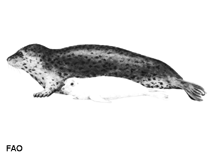
Mammalia |
Carnivora |
Phocidae
ສະພາບແວດລ້ອມ: ສະພາບແວດລ້ອມ / ເຂດດິນຟ້າອາກາດ / ລະດັບຄວາມເລິກ / ຂອບເຂດການແຈກຢາຍ
ນິເວດວິທະຍາ
ກ່ຽວກັບ(ຢູ່)ຊັ້ນນ້ຳໃນທະເລທີ່ເໜີອພື້ນດິນ. Subtropical; 90°N - 0°S, 126°E - 115°W
Pacific Ocean and the Arctic: Eastern side of Ostrov Sakhalin to northern Hokkaido. Subtropical to polar.
ຄວາມຍາວໃນການເຕີບໂຕເຕັມຄັ້ງທໍາອິດ / ຂະໜາດ / ນ້ຳໜັກ / ອາຍຸ
ການຈະເລີນເຕັມໄວ: Lm ? range ? - ? cm Max length : 170 cm TL ຕົວຜູ້/ບໍ່ມີເພດ; (ເອກະສານອ້າງອີງ 1394); 160 cm TL (female); ນ້ຳໜັກສູງສຸດທີ່ເຄຍຈັດພີມມາ: 123.0 kg (ເອກະສານອ້າງອີງ 1394)
Inhabit the southern edges of the pack ice from winter to early summer and coastal areas including river mouths, in late summer and autumn. Diet composition varies with the age of the seal; Newly weaned pups feed on small crustaceans, advance to schooling fishes, larger crustaceans, and octopuses, and finally graduate to bottom dwelling fish and cephalopods (Ref. 1394). Inhabits the southern edges of the pack ice from winter to early summer and coastal areas including river mouths, in late summer and autumn. Diet composition varies with the age of the seal; newly weaned pups feed on small crustaceans, advance to schooling fishes, larger crustaceans, and octopuses, and finally graduate to bottom dwelling fish and cephalopods (Ref. 1394). Those in their first year tend to eat mostly small crustaceans, algae, sticks and debris; 1 to 4 year olds mostly eat fishes, larger shrimps, and octopus, occasionally; 5 year olds consumed more benthic invertebrates like crabs and octopus (Ref. 119414).
ວົງຈອນຊີວິດ ແລະພຶດຕິກໍາການຫາຄູ່
ການຈະເລີນເຕັມໄວ | ການສືບພັນ | ການວາງໄຂ່ | ໄຂ່ | ຄວາມດົກຂອງໄຂ່ປາ | ຕົວອ່ອນ
Jefferson, T.A., S. Leatherwood and M.A. Webber 1993 FAO species Identification Guide: Marine Mammals of the World. Rome, FAO. 320 p. + 587 figures. (ເອກະສານອ້າງອີງ 1394)
ສະຖານະພາບບັນຊີແດງຂອງ IUCN
(ເອກະສານອ້າງອີງ 130435: Version 2025-2 (Global))
ສະຖານະ CITES (ເອກະສານອ້າງອີງ 108899)
Not Evaluated
CMS (ເອກະສານອ້າງອີງ 116361)
Not Evaluated
ໄພຂົ່ມຂູ່ຕໍ່ມະນຸດ
ການນໍາໃຊ້ຂອງມະນຸດ
ການປະມົງ: ເປັນສີນຄ້າ
FAO - ການປະມົງ: ໂປຣໄຟລ໌ສາຍພັນ, landings search; Publication: search | FishSource | ທະເລອ້ອມຂ້າງພວກເຮົາ
ເຄື່ອງມື
ຂໍ້ມູນຕື່ມອີກ
ວົງຈອນຊີວິດການສືບພັນການຈະເລີນເຕັມໄວຄວາມດົກຂອງໄຂ່ປາການວາງໄຂ່ໄຂ່ການພັດທະນາໄຂ່ຕົວອ່ອນ ຟີຊິກສາດການບໍລິໂພກອົກຊີເຈນ
ມະນຸດທີ່ກ່ຽວຂ້ອງສະແຕມ, ຫຼຽນ, ອື່ນໆ.
ແຫຼ່ງອີນເຕີເນັດ
ການຄາດຄະເນໂດຍອີງໃສ່ແບບຈໍາລອງ
ຄວາມຢືດຢຸ່ນ
(Ref. 69278): |
ຂະໜາດກາງ, ປະຊາກອນຕຳ່ສຸດທີ່ໃຊ້ເວລາສອງເທົ່າ 1.4 - 4.4 ປີ (K=0.16-0.44) |
ຄວາມສ່ຽງຕໍ່ການຫາປາ
(ເອກະສານອ້າງອີງ 71543) |
High to very high vulnerability (72 of 100). |
ປະເພດລາຄາ
(ເອກະສານອ້າງອີງ 80766): |
Unknown. |