Malacostraca |
Decapoda |
Portunidae
ສະພາບແວດລ້ອມ: ສະພາບແວດລ້ອມ / ເຂດດິນຟ້າອາກາດ / ລະດັບຄວາມເລິກ / ຂອບເຂດການແຈກຢາຍ
ນິເວດວິທະຍາ
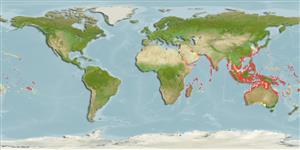
Benthic; ນ້ຳກ່ອຍ; ລະດັບຄວາມເລິກ 0 - 50 m (ເອກະສານອ້າງອີງ 343). Tropical; 26°C - 30°C (ເອກະສານອ້າງອີງ 111153), preferred 25°C (ເອກະສານອ້າງອີງ 107945); 34°N - 37°S, 22°E - 134°W
Indo-West Pacific. Introduced in Hawaii and USA.
ຄວາມຍາວໃນການເຕີບໂຕເຕັມຄັ້ງທໍາອິດ / ຂະໜາດ / ນ້ຳໜັກ / ອາຍຸ
ການຈະເລີນເຕັມໄວ: Lm 6.9, range 8 - ? cm Max length : 28.0 cm CW ຕົວຜູ້/ບໍ່ມີເພດ; (ເອກະສານອ້າງອີງ 343); ນ້ຳໜັກສູງສຸດທີ່ເຄຍຈັດພີມມາ: 3.0 kg (ເອກະສານອ້າງອີງ 343)
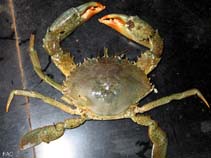
Carapace smooth, with strong transverse ridges; H-shaped gastric groove deep; relatively broad frontal lobes, all more or less in line with each other; broad anterolateral teeth, projecting obliquely outwards. Well-developed present on outer surface of chelipedal carpus and anterior and posterior dorsal parts of the palm. Color: carapace green to almost black; legs may be marbled.
Maximum carapace width: between 25 and 28 cm. Maximum weight between 2 and 3 kg. Also collected by baited wire mesh pots. Sold in Taiwan, Hong Kong and Singapore, where the large crabs (so called "meat crabs") and females with ripe ovaries ("roe crabs") command a price from US$5 to US$10 per kg. Largest exporters of this species are Indonesia, Sri Lanka, India, and Bangladesh. There have been attempts to culture the crabs in captivity, but none of the closed-cycle enterprise have gone commercial. Tide is relied upon by farms to bring megalopae or late zoeae into grow-out ponds. Prefers oceanic waters, usually found just offshore on soft muddy bottoms (Also Ref. 9773). Can be caught up to 50 m offshore as it migrates offshore to spawn (Ref. 343). Subtidal (Ref. 106854). Digs deep burrows in mangroves and soft substrates in shallow or intertidal waters (Refs. 343, 9773). Found in brackish to sea water (Ref. 77016). Forages at night. Major predator (Also Ref. 128960) of small invertebrates colonizing mangrove swamps (Ref. 8752). Feeds on shrimps, crabs, fishes, and bivalves (Refs. 99886, 102679). Benthic scavenger but prefers oysters (Ref. 9773).
ວົງຈອນຊີວິດ ແລະພຶດຕິກໍາການຫາຄູ່
ການຈະເລີນເຕັມໄວ | ການສືບພັນ | ການວາງໄຂ່ | ໄຂ່ | ຄວາມດົກຂອງໄຂ່ປາ | ຕົວອ່ອນ
Gonochoric; sexually dimorphic based on secondary characteristics. The male traps the female under its chest, holding the latter with its chelipers, forming a pair. When the female is about to molt, the male releases but remains nearby. After moulting, the female is again trapped by the male and the latter opens its genitals towards the female's abdomen. Coupling may last from seven to twelve hours (Ref. 99880) and occurs at the bottom of the burrows; spawning occurs five weeks after mating. Migration: young crabs (2 cm CL) attend to estuarine waters and leave to enter the mangroves at lengths 7-9 cm for males and 8 cm for females; after which they return to the sea (Ref. 99886).
Ng, P.K.L. 1998 Crabs. p. 1045-1155. In K.E. Carpenter and V.H. Niem (eds) FAO species identification guide for fishery purposes. The living marine resources of the Western Central Pacific. Volume 2. Cephalopods, crustaceans, holothurians and sharks. Rome, FAO. 1998. pp. 687-1396. (ເອກະສານອ້າງອີງ 343)
ສະຖານະພາບບັນຊີແດງຂອງ IUCN
(ເອກະສານອ້າງອີງ 130435: Version 2025-2 (Global))
ສະຖານະ CITES (ເອກະສານອ້າງອີງ 108899)
Not Evaluated
CMS (ເອກະສານອ້າງອີງ 116361)
Not Evaluated
ໄພຂົ່ມຂູ່ຕໍ່ມະນຸດ
ການນໍາໃຊ້ຂອງມະນຸດ
ການປະມົງ: ເປັນສີນຄ້າ
FAO - Aquaculture Systems: ໂປຣໄຟລ໌ສາຍພັນ, production search; ການປະມົງ: ໂປຣໄຟລ໌ສາຍພັນ, landings search; Publication: search | FishSource | ທະເລອ້ອມຂ້າງພວກເຮົາ
ເຄື່ອງມື
ຂໍ້ມູນຕື່ມອີກ
ຟີຊິກສາດການບໍລິໂພກອົກຊີເຈນ
ມະນຸດທີ່ກ່ຽວຂ້ອງສະແຕມ, ຫຼຽນ, ອື່ນໆ.
ແຫຼ່ງອີນເຕີເນັດ
ການຄາດຄະເນໂດຍອີງໃສ່ແບບຈໍາລອງ
ຄວາມຢືດຢຸ່ນ
(Ref. 69278): |
ສູງ, ປະຊາກອນຕຳ່ສຸດທີ່ໃຊ້ເວລາສອງໜ້ອຍກວ່າ 15 ເດືອນ (K=0.43) |
Rate of population increase
|
Prior r = 1.17, 95% CL = 0.77 - 1.75, Based on 3 data-limited stock assessments. |
ຄວາມສ່ຽງຕໍ່ການຫາປາ
(ເອກະສານອ້າງອີງ 71543) |
Low vulnerability (21 of 100). |
ຄວາມສ່ຽງດ້ານສະພາບອາກາດ
(ເອກະສານອ້າງອີງ 125649) |
Moderate vulnerability (37 of 100) |
ປະເພດລາຄາ
(ເອກະສານອ້າງອີງ 80766): |
High. |
Nutrients
|
Calcium = 109 [35, 184] mg/100g; Iron = 1.59 [1.21, 1.97] mg/100g; Protein = 20.2 [19.2, 21.3] %; Omega3 = 0.285 [0.185, 0.386] g/100g; Selenium = 48.3 [-31.7, 128.3] μg/100g; VitaminA = 0 μg/100g; Zinc = 1.79 [1.17, 2.40] mg/100g (wet weight); based on nutrient studies. |