Malacostraca |
Decapoda |
Geryonidae
環境:環境 / 気候帯 / 深さの範囲 / 分布範囲
生態学
Benthic; 深さの範囲 200 - 2002 m (参照 101759). Deep-water; 7°C - 16°C; 38°N - 23°N, 88°W - 64°W
Western Atlantic: South Atlantic Bight, the Gulf of Mexico and Bermuda.
初回成熟時の長さ / サイズ / 重さ / 年齢
成熟: Lm ?, range 9 - 16.9 cm Max length : 19.0 cm CW オス/雌雄の選別がない; (参照 101836); 最大公表体重: 2.0 kg (参照 101836)
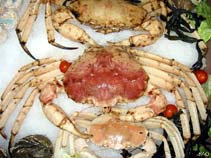
Carapace broader than long. Median pair of frontal teeth separated by a wide sinus, teeth scarcely overreaching obtuse lateral frontal teeth. Orbits usually more than 3/4 frontal width. Anterolateral teeth 5, second and fourth reduced, distance between first and third usually smaller than distance between third and fifth. Cheliped with blunt lobe on upper margin of merus, carpus lacking outer spine, propodus lacking distal dorsal spine. Meri of pereiopods lacking distal dorsal spine. Fifth leg: merus broad, less than 2/3 carapace width; propodus broad, length less than 4.5 times width; propodus and dactylus subequal in length, or dactylus slightly longer. Dactili of pereiopods compressed, narrow, height at midlength much greater than width. Color: tan to cream.
Maximum depth from Ref. 97531 Inhabits the continental slope on flat foraminiferan ooze habitat, coral mounds, ripple habitat, dunes, black pebble habitat, rock outcrops, and soft-bioturbated habitat (Ref. 367). Also in muddy and muddy-sandy bottoms (Ref. 101384). Opportunistic feeder (Ref. 104380).
ライフサイクルと交尾行動
成熟 | 繁殖 | 放精 | 卵 | 生産力 | 幼生
Life cycle: Eggs are incubated for approximately six months after which the larvae hatch. Mating behavior: Mating occurs immediately after the female's molting. Precopulatory behavior is characterized as the formation of a protective cage around the female by the male using its legs.
主な参考文献
参考文献 | コーディネーター | 協力者
Tavares, M. 2003 True Crabs. pp. 327-352. In Carpenter, K.E. (ed.) The living marine resources of the Western Central Atlantic. Volume1: introdution, molluscs, crustaceans, hagfishes, sharks, batoid fishes, and chimaeras. FAO Species Identification Guide for Fishery Purposes and American Society of Ichthyologists and Herpetologists Special PublicationNo. 5. Rome, FAO. pp. 1-600. (参照 367)
IUCNのレッドリストの状況は
(参照 130435: Version 2025-2 (Global))
ワシントン条約ステータス (参照 108899)
Not Evaluated
Not Evaluated
人間に対する脅威
人間の用途
水産業: 商業
FAO - Publication: search | FishSource |
用具
インターネットの情報源
モデルに基づく推定値
漁業の脆弱性
(参照 71543) |
Low vulnerability (10 of 100). |
価格帯
(参照 80766): |
Unknown. |