Polychaeta |
Not assigned |
Capitellidae
ສະພາບແວດລ້ອມ: ສະພາບແວດລ້ອມ / ເຂດດິນຟ້າອາກາດ / ລະດັບຄວາມເລິກ / ຂອບເຂດການແຈກຢາຍ
ນິເວດວິທະຍາ
Benthic; ນ້ຳກ່ອຍ; ລະດັບຄວາມເລິກ 0 - 2700 m (ເອກະສານອ້າງອີງ 119523). Polar; 27°C - 28°C (ເອກະສານອ້າງອີງ 87155)
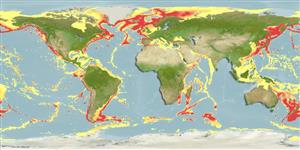
Cosmopolitan: mainly in the northern hemisphere. Tropical to polar.
ຄວາມຍາວໃນການເຕີບໂຕເຕັມຄັ້ງທໍາອິດ / ຂະໜາດ / ນ້ຳໜັກ / ອາຍຸ
ການຈະເລີນເຕັມໄວ: Lm ? range ? - ? cm Max length : 8.0 cm TL ຕົວຜູ້/ບໍ່ມີເພດ; (ເອກະສານອ້າງອີງ 75621)
Length based on occurrence record. Megabenthic species (Ref. 2952). Found in all sediment types but particularly in coarse to very fine substrate, very rarely in sediment without mud (Refs. 7882, 96352). Known from rocky shores, seagrass beds, cold seeps, hydrothermal vents, oxygen-minimum zones, whale carcasses. Depth ranges from intertidal, infralittoral, circalittoral to bathyal along gulfs and estuaries (Refs. 87155, 96352). Feeding type can vary from being a carnivore to a detritus feeder, to a grazer (Ref. 87155). Treated as a marine organic pollution indicator (Ref. 96352).
ວົງຈອນຊີວິດ ແລະພຶດຕິກໍາການຫາຄູ່
ການຈະເລີນເຕັມໄວ | ການສືບພັນ | ການວາງໄຂ່ | ໄຂ່ | ຄວາມດົກຂອງໄຂ່ປາ | ຕົວອ່ອນ
Members of the class Polychaeta are mostly gonochoric (sexual). Mating: Females produce a pheromone attracting and signalling the males to shed sperm which in turn stimulates females to shed eggs, this behavior is known as swarming. Gametes are spawned through the metanephridia or body wall rupturing (termed as "epitoky", wherein a pelagic, reproductive individual, "epitoke", is formed from a benthic, nonreproductive individual, "atoke"). After fertilization, most eggs become planktonic; although some are retained in the worm tubes or burrowed in jelly masses attached to the tubes (egg brooders). Life Cycle: Eggs develop into trocophore larva, which later metamorph into juvenile stage (body lengthened), and later develop into adults.
López-Jamar, E., G. González and J. Mejuto 1986 Temporal changes of community structure and biomass in two subtidal macroinfaunal assemblages in La Coruña bay, NW Spain. Hydrobiologia 142:137-150. (ເອກະສານອ້າງອີງ 2778)
ສະຖານະພາບບັນຊີແດງຂອງ IUCN
(ເອກະສານອ້າງອີງ 130435: Version 2025-2 (Global))
ສະຖານະ CITES (ເອກະສານອ້າງອີງ 108899)
Not Evaluated
CMS (ເອກະສານອ້າງອີງ 116361)
Not Evaluated
ໄພຂົ່ມຂູ່ຕໍ່ມະນຸດ
ການນໍາໃຊ້ຂອງມະນຸດ
FAO - Publication: search | FishSource |
ເຄື່ອງມື
ຂໍ້ມູນຕື່ມອີກ
ວົງຈອນຊີວິດການສືບພັນການຈະເລີນເຕັມໄວຄວາມດົກຂອງໄຂ່ປາການວາງໄຂ່ໄຂ່ການພັດທະນາໄຂ່ຕົວອ່ອນ ຟີຊິກສາດການບໍລິໂພກອົກຊີເຈນ
ມະນຸດທີ່ກ່ຽວຂ້ອງສະແຕມ, ຫຼຽນ, ອື່ນໆ.
ແຫຼ່ງອີນເຕີເນັດ
ການຄາດຄະເນໂດຍອີງໃສ່ແບບຈໍາລອງ
ຄວາມສ່ຽງຕໍ່ການຫາປາ
(ເອກະສານອ້າງອີງ 71543) |
Low vulnerability (10 of 100). |
ປະເພດລາຄາ
(ເອກະສານອ້າງອີງ 80766): |
Unknown. |